Pink Eye
/Pinkeye (infectious bovine keratoconjunctivitis) is a common and frustrating condition that can cause significant production losses due to reduced growth rates and blindness in beef calves and adult cattle. Australian studies show higher prevalence in younger cattle (<2 yo) and in herds grazing smaller paddocks (higher stocking rate).
The cornea is highly resistant to infection, so pinkeye usually follows environmental injury that allows opportunistic bacteria to invade. Summer conditions such as dust, UV exposure, long grass and feeders increase risk by damaging the eye’s surface.
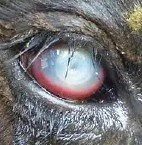
Early signs include squinting and excessive tearing, progressing to corneal cloudiness or whitening with a surrounding red ring, indicating ulceration and active infection. Pinkeye is extremely painful and can result in severe ulceration, rupture and permanent blindness.
Size has a significant impact on healing time where smaller lesions have earlier clearance of infection compared to larger ones, demonstrating that early identification and treatment is pivotal for more favourable outcomes. Treatment involves topical (Orbenin eye ointment) OR systemic antibiotics (Engemycin or Bivatop) and anti-inflammatories (Metacam) – third eyelid flaps, for protection, can be used for advance cases.
Healed eyes may retain a permanent white scar but should have no redness, squinting or discharge. Vaccination is available and may be useful in some situations, however it needs to be administered 3-6 weeks prior to the risk period. If pinkeye is affecting your herd, contact one of our veterinarians to discuss an appropriate management strategy.
Orbenin Eye Ointment ACVM A004751; Engemycin ACVM A003308; Bivatop 200 ACVM A006867; Metacam 40 ACVM A011754